MITSUBISHI · MITSUBISHI 3000 · Cars
MITSUBISHI 3000 Rare
As of 2026 Q2, 555 MITSUBISHI 3000s remain registered in the UK — a genuinely rare sight on today's roads. That's down from a peak of 607 in 2017 Q3 — only 91% of the high-water mark, a loss of about 52 cars. They're disappearing at roughly 10 a year (1.7% of what's left), a pace that would halve the survivors by around 2066 if it held — though in practice the last, most-cherished examples tend to linger far longer. Tellingly, 78% are declared SORN — kept off the road in garages and barns rather than driven, the signature of a car being looked after rather than used up.
Survivors over time
How rare is it?
Rare — fewer than 1,000 remain (555 in the latest data).
Rarer than 42% of the 2,315 UK car models we track.
📉 Rate of decline
Disappearing at about 10 a year (1.7% of survivors). At that pace roughly 509 would remain in 5 years, and half the current fleet is gone by around ~2066.
About the 3000
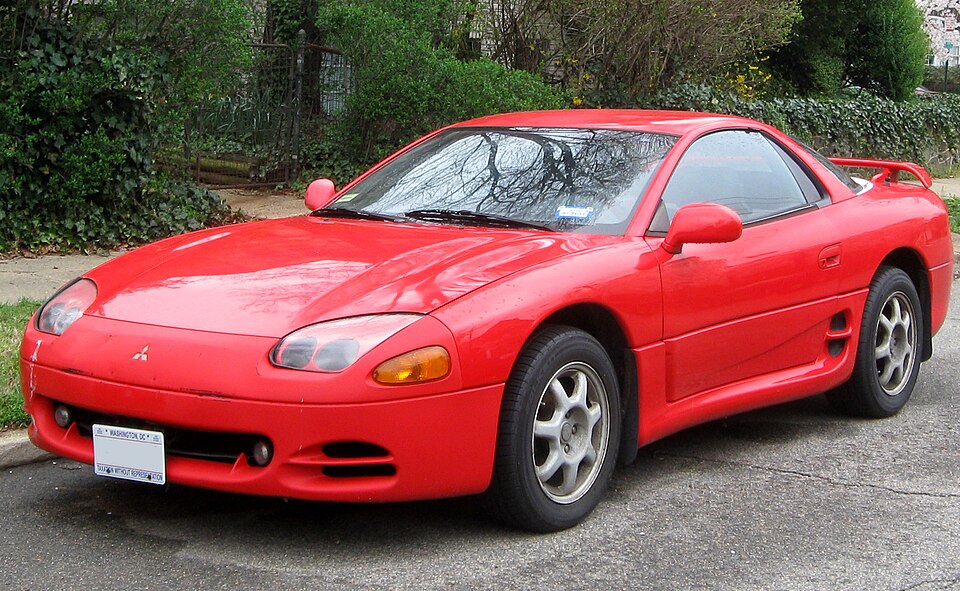
The Mitsubishi 3000GT is a front-engine, all-wheel/front-wheel drive grand touring/sports car manufactured and marketed by Mitsubishi from 1990 until 2000 over three different series. Manufactured in a three-door hatchback coupé body style in Nagoya, Japan, the 2+2 four-seaters were marketed in the Japanese domestic market as the GTO, and globally as 3000GT. In North America, it was sold both as the Mitsubishi 3000GT (1991–1999) and the Dodge Stealth (1991–1996), a badge engineered, mechanically identical captive import. As a collaborative effort between Chrysler and Mitsubishi Motors, Chrysler...
MITSUBISHI 3000 — questions & answers
How many MITSUBISHI 3000 are left in the UK?
As of 2026 Q2, 555 MITSUBISHI 3000 were still registered in the UK — 121 licensed and on the road, plus 434 declared SORN (off-road). The figures come from official DVLA vehicle licensing data.
Is the MITSUBISHI 3000 rare?
The MITSUBISHI 3000 is rare — fewer than 1,000 remain (555), making it rarer than 42% of the 2,315 UK car models we track.
Is the MITSUBISHI 3000 increasing or decreasing?
Over the last year the number of MITSUBISHI 3000 on UK roads held steady. At the current rate of decline, roughly 509 would remain in 5 years.
What fuel do most MITSUBISHI 3000 use?
Most MITSUBISHI 3000 run on petrol — about 100% of those still registered.
When did the MITSUBISHI 3000 peak?
The MITSUBISHI 3000 peaked at 607 registered in 2017 Q3, and was first recorded in the data in 2014 Q3.